

The Kinks: 60 anos de Face to Face, um disco cheio de histórias
Entre personagens, inquietações e ironia, o álbum de “Sunny Afternoon” registra uma mudança na escrita de Ray Davies
Sempre gostei dos Kinks. Algumas músicas dos anos 60 ainda me soam atuais, e talvez parte desse encanto esteja no olhar de Ray Davies: observar as pessoas, perceber as contradições do cotidiano e transformar tudo em pequenas histórias. Como cronista, reconheço uma afinidade com esse olhar para o cotidiano.
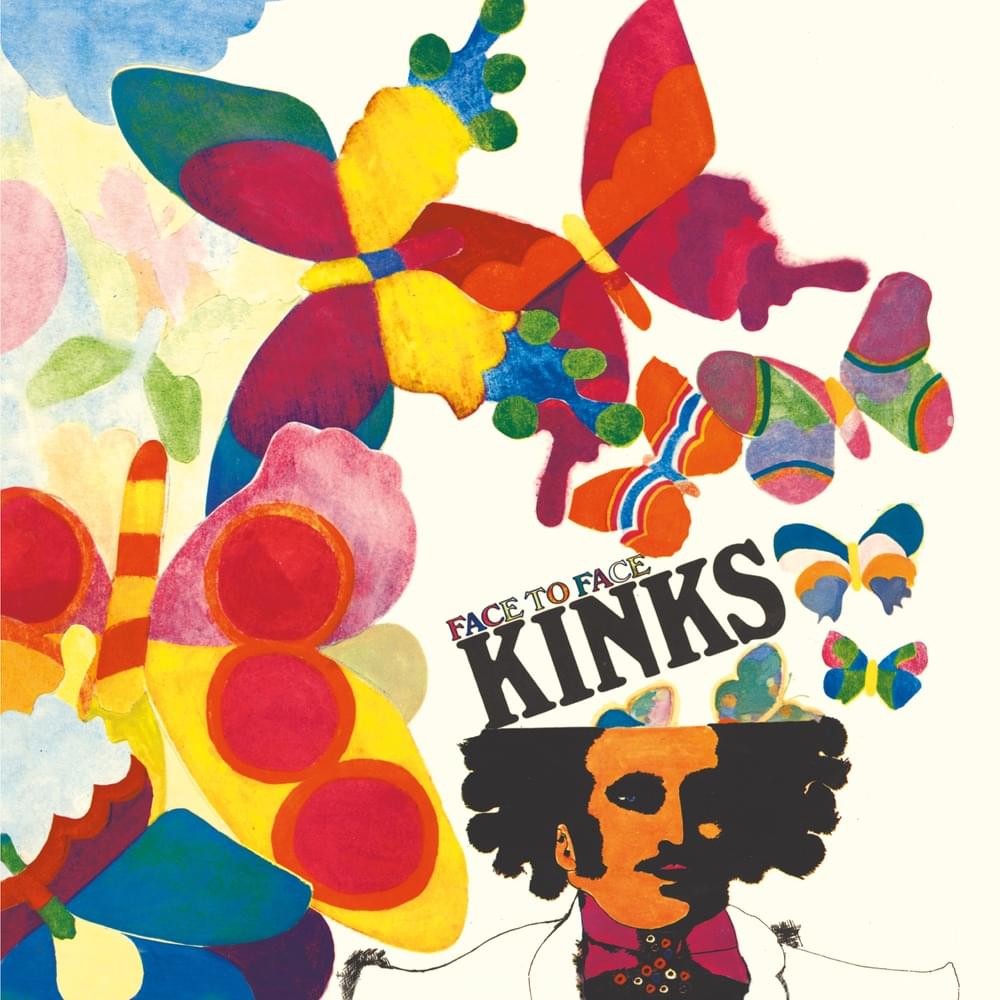
Uma boa crônica pode começar com um detalhe que quase ninguém percebeu. Em Face to Face, os Kinks fizeram das canções um lugar para observar gente, costumes e contradições. Lançado no Reino Unido em 28 de outubro de 1966, o quarto álbum de estúdio da banda completa 60 anos nesta quarta-feira.
Com produção de Shel Talmy e 14 faixas, o disco ocupa um ponto importante na trajetória do grupo. A escrita de Ray Davies ganhava espaço para narrativas e observações sociais, ampliando um caminho que já aparecia em “Where Have All the Good Times Gone”, de 1965.
Personagens em poucos minutos
“Dandy” traz o balanço do music hall, enquanto “Holiday in Waikiki” brinca com sonoridades havaianas e “Fancy” explora uma atmosfera de inspiração oriental. Essa variedade acompanha o interesse de Davies pelas diferenças de classe e pelos comportamentos da sociedade inglesa.
O repertório também inclui “Too Much on My Mind”, “Rosy Won’t You Please Come Home” e “Most Exclusive Residence for Sale”. Há algo de coleção de pequenas crônicas nessa sequência: cada título abre outra porta, apresenta outra preocupação, sugere outra vida.
Uma tarde de sol no topo das paradas
“Sunny Afternoon” já havia conquistado o público antes da chegada do LP. Lançada como single naquele ano, passou duas semanas no primeiro lugar da parada britânica. Quando entrou em Face to Face, a canção trouxe para o álbum um sucesso que já tinha vida própria.
Na sequência da discografia, vieram Something Else by the Kinks, em 1967, e The Kinks Are the Village Green Preservation Society, em 1968. Revisitar Face to Face permite acompanhar um capítulo anterior dessa trajetória — de preferência desde “Party Line”, que abre o disco, até “I’ll Remember”, sua última faixa.
Crônica é observação, é cotidiano, é história, é conversa, é tempo!
E o tempo, para os Kinks, parece não passar.
You’re looking fine!
Rocksy
🇺🇸 English version ↓
The Kinks: 60 Years of Face to Face, an Album Full of Stories
Through characters, unease and wit, the album featuring “Sunny Afternoon” captures a shift in Ray Davies’ songwriting
I’ve always liked the Kinks. Some of their songs from the ’60s still feel relevant to me, and perhaps part of their charm lies in Ray Davies’ eye for people and the contradictions of everyday life, which he turns into little stories. As someone who writes about everyday life, I feel a kinship with that way of seeing the world.
A good story can begin with a detail almost everyone else has missed. On Face to Face, the Kinks made songs a place to observe people, habits and contradictions. Released in the UK on October 28, 1966, the band’s fourth studio album turns 60 this Wednesday.
Produced by Shel Talmy, the 14-track record holds an important place in the group’s development. Ray Davies was making more room for storytelling and social observation, extending an approach already evident in 1965’s “Where Have All the Good Times Gone.”
Characters in miniature
“Dandy” draws on music hall, while “Holiday in Waikiki” plays with Hawaiian sounds and “Fancy” explores an Eastern-inspired atmosphere. This musical variety accompanies Davies’ growing interest in English class divisions and social behaviour.
The tracklist also includes “Too Much on My Mind,” “Rosy Won’t You Please Come Home” and “Most Exclusive Residence for Sale.” Heard together, these songs suggest a collection of short stories: each title opens another door, introduces another concern and hints at another life.
A sunny afternoon at the top of the charts
“Sunny Afternoon” had already found its audience before the LP arrived. Released as a single that year, it spent two weeks at number one on the UK singles chart. By the time it appeared on Face to Face, the song was an established hit in its own right.
The band’s studio catalogue continued with Something Else by the Kinks in 1967 and The Kinks Are the Village Green Preservation Society in 1968. Returning to Face to Face offers a chance to explore an earlier chapter of that journey — ideally from its opening track, “Party Line,” through to its closer, “I’ll Remember.”
This kind of writing is observation, is everyday life, is storytelling, is conversation, is time!
And for the Kinks, time seems to stand still.
You’re looking fine!
Rocksy